TRACKLIST
SIDE A
A1. Thank You
A2. Dedos
A3. Balada de Matías
A4. Mambiadito
A5. Way Back Home
A6. Pulseras
SIDE B
B1. You Are the Sunshine of My Life
B2. Lamentación
B3. Para toda la gente
B4. Dee Blooz
DESCRIPTION
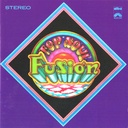
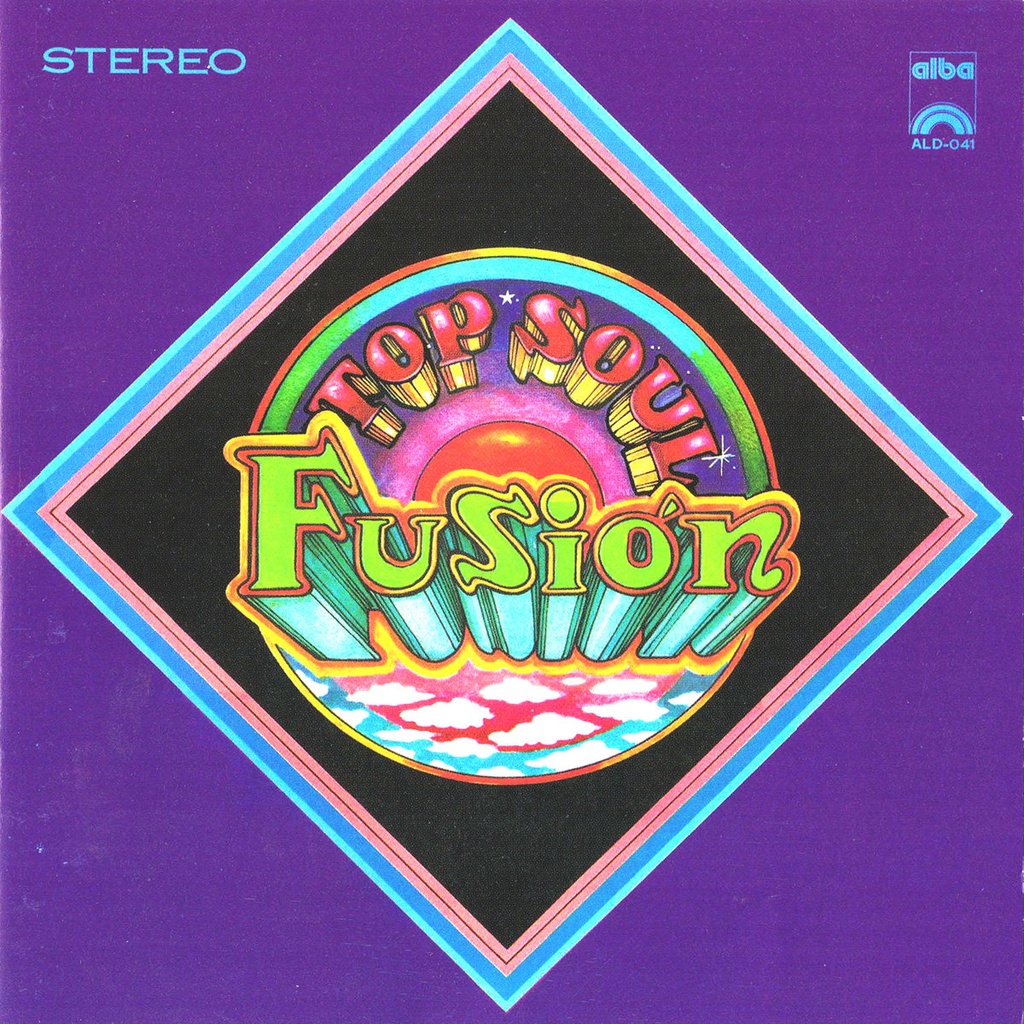
“Top Soul” (1975) by Fusion is released now on vinyl, from the original IRT masters!
The experience of the group Fusion, historically considered the first Chilean electric jazz project, according to musicologist Álvaro Menanteau in his book Historia del jazz en Chile (History of jazz in Chile).
Luna was the son of Peruvian diplomats settled in Chile. He had lived and studied art in New York and for that reason he had first-hand knowledge of the current jazz scene: the last years of John Coltrane in the avant-garde and the mutation of Miles Davis to electric jazz. He had studied at the Boston school of Berklee and had an important collection of records by Davis himself and his disciples: Joe Zawinul, Herbie Hancock, Chick Corea, Wayne Shorter, Miroslav Vitous. While Pizarro, who had appeared in the mid '60s as a very young pianist, of outstanding technique, advanced ideas and notorious musical culture, was also returning from a period of study at Berklee.
The workshop meetings, jam sessions and auditions of new music were held at Pizarro's house, on Hernando de Aguirre and Eliodoro Yánez streets, and there was no jazz musician during those years who did not go through the experience of attending the initiation sessions. According to Chilean musicologist Álvaro Menanteau in his book Historia del jazz en Chile (2003), from the youngest (pianists Manuel Villarroel and Mario Lecaros or drummers Patricio Villarroel and Pedro Greene), to the most experienced (saxophonists Patricio Ramírez and Sandro Salvati or drummer Jaime Farfán), they frequented Pizarro's house and consolidated the core of musicians that faced the hard decade of the 70s.
That was the seed of the foundation of Fusion, a group that adopted its name directly from the generic topic that began to understand and describe the music promoted mainly by Miles Davis in those years. In 1972, Fusion launched its project with the Luna-Pizarro-Salvati trio, using electric instrumentation, experimenting with rhythmic patterns of soul, funk and rock, but keeping intact the impulse of the original jazz improvisation and an important factor of Afro-Latin music, full of percussion. Although to record the album “Top Soul” (1975), the band ended up with soloists like David Estánovich (tenor sax) and Lautaro Rosas (guitar), plus a rhythm trio with Mario Lecaros (electric piano, ex Village Trio), Enrique Luna (bass) and Orlando Avendaño (drums, ex Nahuel Jazz Quartet), plus guests like trumpeter Daniel Lencina, and the young percussionist Santiago Salas (from the group Santa y su Gente).
But it was, in any case, a brief history with few live appearances. One of them took place in 1972 at the Chile Stadium, with some members of Fusion as Luna, Pizarro and Greene, joined Los Jaivas for a free collective improvisation session, under the name of La Banda, and of which there is a valuable filmed testimonial record, although without audio.
Fusion's life ended definitively after the release of the album, with Matías Pizarro living in Paris since 1977, Mario Lecaros in Barcelona in 1976, Orlando Avendaño retired from music, Enrique Luna back in Peru after working with the fusion group Almandina, and a hostile reality for the development of music during the first years of the military dictatorship.